ANSI Testing & Equipment Inspections for Aerial and Hydraulic Equipment
Dependable Service Hydraulics LLC delivers thorough ANSI Testing & Equipment Inspections for businesses that operate aerial lifts, hydraulic equipment, and utility machinery. If your equipment goes near energized lines or puts workers at height, inspection isn't optional. It's the baseline.
Getting this right matters. A lot.
Why ANSI Standards Exist
ANSI standards aren't bureaucratic paperwork. They exist because aerial and hydraulic equipment failures at height or near electrical hazards have consequences that can't be undone. The standards define minimum safety thresholds, inspection intervals, and testing protocols that protect operators and the companies that employ them.
Compliance also protects your business. An uninsured incident involving uninspected equipment creates liability exposure that no operator wants to face.
ANSI Testing & Equipment Inspections are how you demonstrate due diligence, and how you actually know your equipment is safe to operate.
Annual ANSI Dielectric Testing
Boom trucks and aerial lifts that work near energized electrical lines require more than a visual check. The insulating components of the upper boom must be tested electrically to confirm they still provide the rated protection.
Annual ANSI dielectric testing measures the dielectric integrity of fiberglass boom sections, liners, and upper structure components under controlled high-voltage conditions. This test confirms that the insulation rating the manufacturer built into the equipment is still intact, not degraded by UV exposure, moisture intrusion, surface contamination, or physical damage.
This is usually where people run into problems. Equipment gets used regularly near electrical hazards, but the dielectric testing lapses because it's easy to push to next quarter. Then next quarter becomes next year. The insulation may have degraded in the meantime, and nobody knows until something goes wrong.
Annual testing is the interval for good reason. We perform it properly, with calibrated equipment, and we provide the documentation you need.
ANSI Boom Inspections
A boom that looks fine from the ground may not be fine. Surface cracks, delamination in fiberglass sections, corrosion at structural joints, and wear in pivot components don't always announce themselves visually from a distance.
ANSI boom inspections require a qualified inspector to evaluate the full boom assembly, including structural members, pin and bushing condition, wear pads, hydraulic cylinder attachment points, and insulating components. We follow ANSI A92 and applicable equipment-specific standards during every inspection.
Findings are documented. If something requires attention, we tell you clearly, explain what it means for operation, and provide repair options. You'll have a written report that reflects the actual condition of the equipment, not a rubber stamp.
Safety Certifications
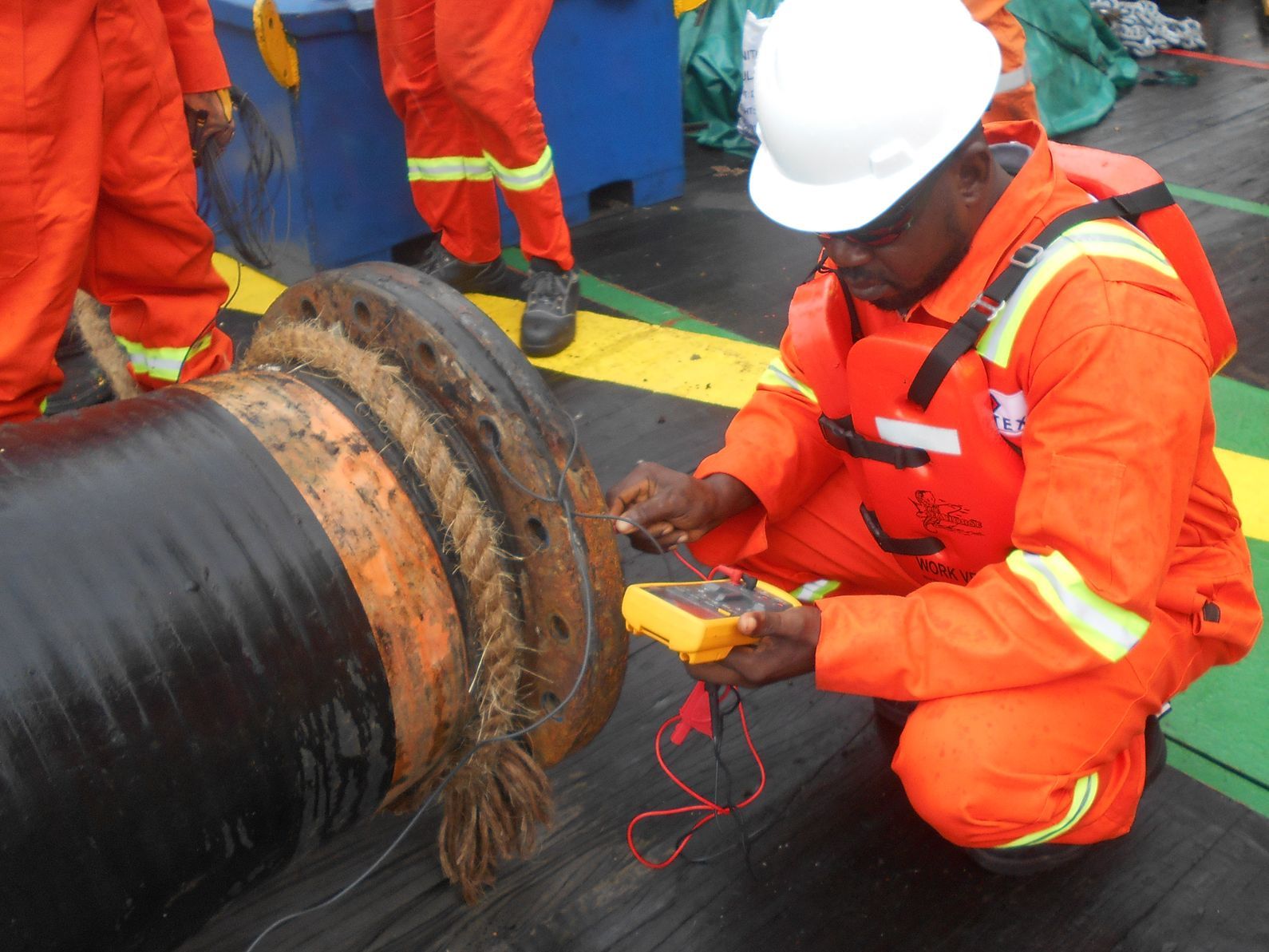
After a successful inspection and any required corrective work, your equipment receives documented safety certifications that confirm it met applicable ANSI standards at the time of inspection. This documentation is what job sites, insurers, and regulatory bodies ask for.
Certification isn't the goal in itself. The goal is equipment that's actually safe. Certification is just the record of that fact. We take the inspection process seriously enough that the certification means something when we issue it.
Operators and fleet managers should keep inspection records organized and accessible. Audits happen, and scrambling for paperwork after the fact is a situation worth avoiding.
Preventative Inspections
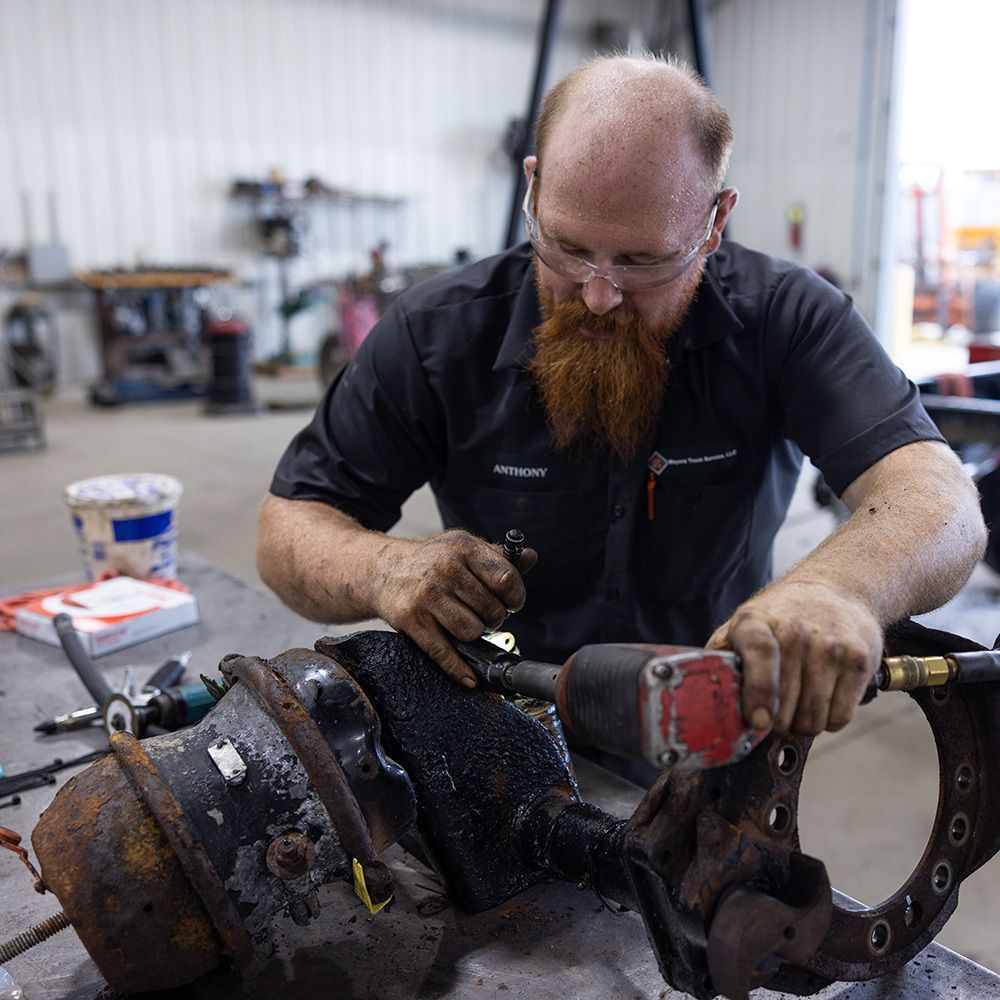
Scheduled preventative inspections catch problems before they become failures. That's the entire point. A hydraulic seal that's starting to weep, a structural bolt that's backing out, a wear pad that's approaching its limit, these are things a trained inspector finds before the equipment gives out mid-shift.
The economics are straightforward. A preventative inspection costs a fraction of an emergency repair, and it doesn't come with unplanned downtime attached. For businesses running equipment regularly, skipping preventative inspections is a false economy. The savings are real until the moment they aren't.
We structure preventative inspection schedules around your equipment type, usage patterns, and manufacturer recommendations. The intervals we recommend are practical, not excessive.
Who We Work With
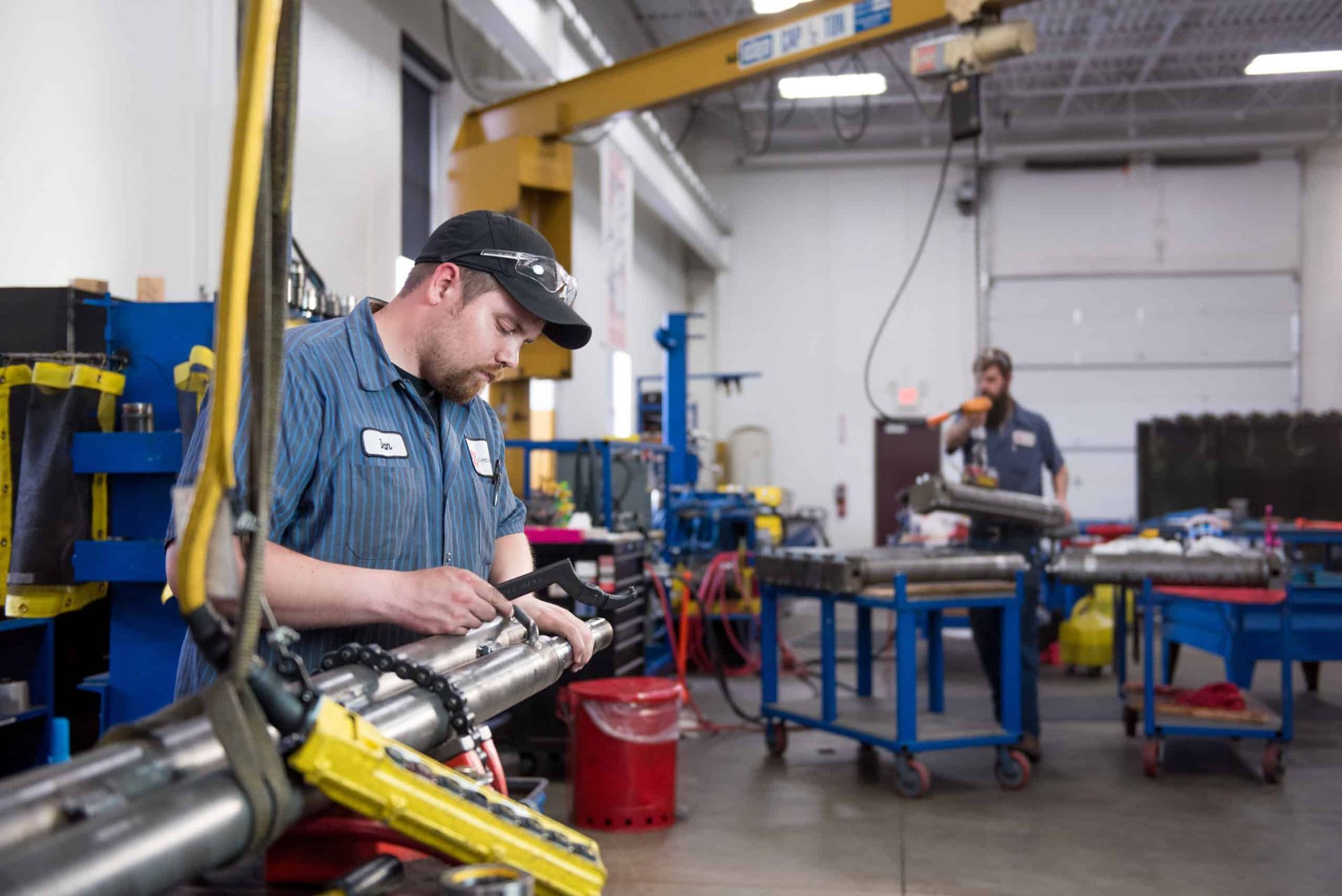
Utility contractors, construction companies, municipalities, telecommunications operators, and any business running aerial equipment near electrical infrastructure or at significant height. If your work involves booms, lifts, or hydraulic equipment in regulated environments, you need an inspection partner who understands the standards and applies them consistently.
Dependable Service Hydraulics LLC brings both hydraulic expertise and ANSI inspection experience to every engagement. That combination matters because boom equipment is both a hydraulic system and a structural safety system. Inspecting it properly requires understanding both.
Fleet Inspection Programs
One lift is manageable. A fleet of ten, twenty, or more units is a different situation entirely. Tracking inspection dates, certification status, and maintenance history across multiple pieces of equipment requires a system, not a spreadsheet someone updates when they remember.
Our fleet inspection programs are designed for operations with multiple units. We coordinate inspection scheduling to minimize impact on your operations, maintain records across your full inventory, and flag upcoming renewal dates so nothing slips. You get a consistent standard of inspection across every unit, handled by the same experienced team that knows your equipment.
This is the kind of structure that makes ANSI Testing & Equipment Inspections sustainable at scale. It also makes audits and compliance reviews considerably less stressful.
The Inspection Process
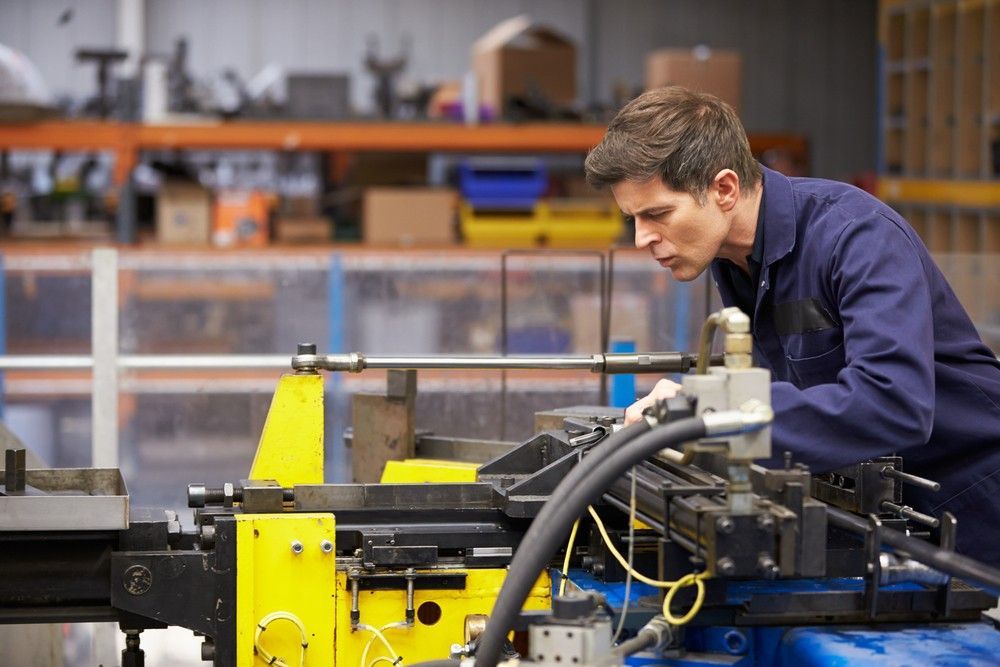
Every ANSI Testing & Equipment Inspections engagement follows a defined process. It starts with a review of the equipment's existing documentation and service history where available. We then conduct the physical and electrical inspection according to applicable standards, document all findings, perform or coordinate any required corrective work, and issue certification upon successful completion.
Nothing is skipped. Nothing is assumed. If the equipment doesn't meet the standard, we won't certify it, and we'll tell you exactly what needs to happen before it can be.
Operators sometimes push back on findings they weren't expecting. That's understandable. But the inspector's job is to report what's there, not what's convenient. We stand behind our findings.
Documentation and Record Keeping
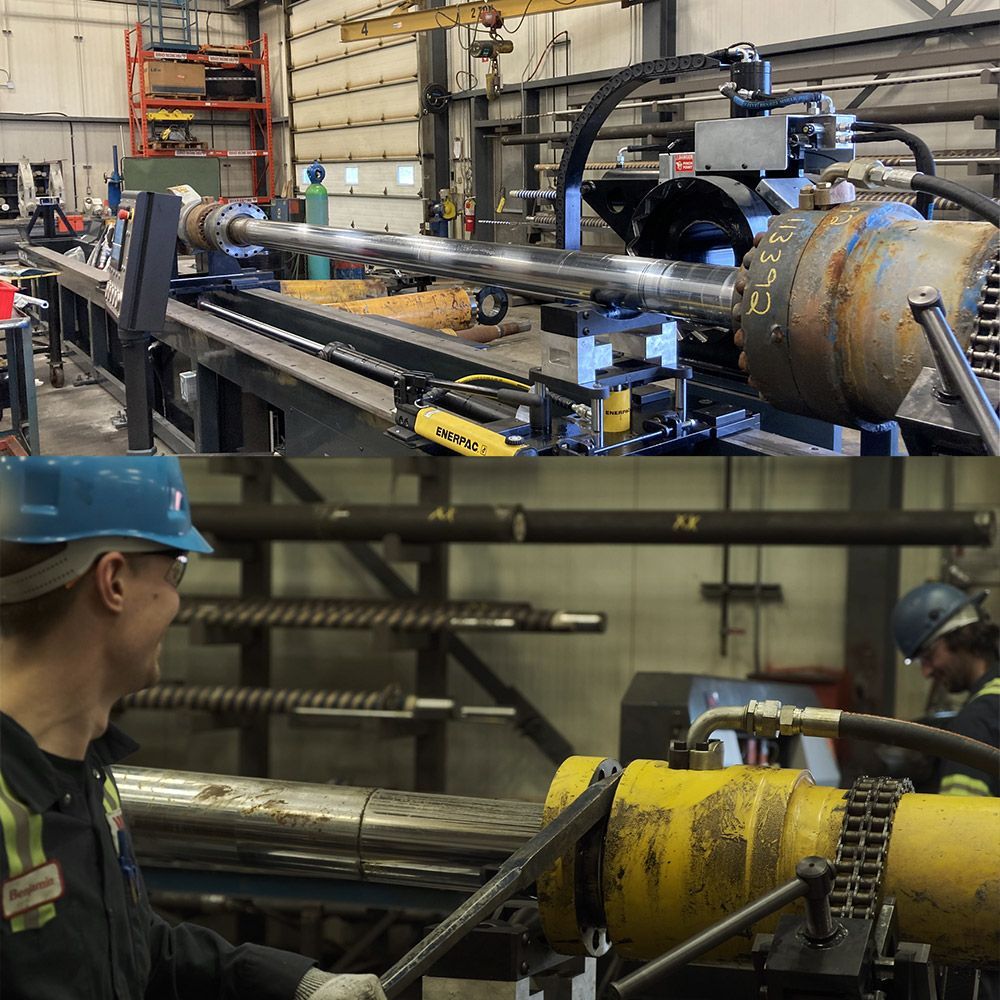
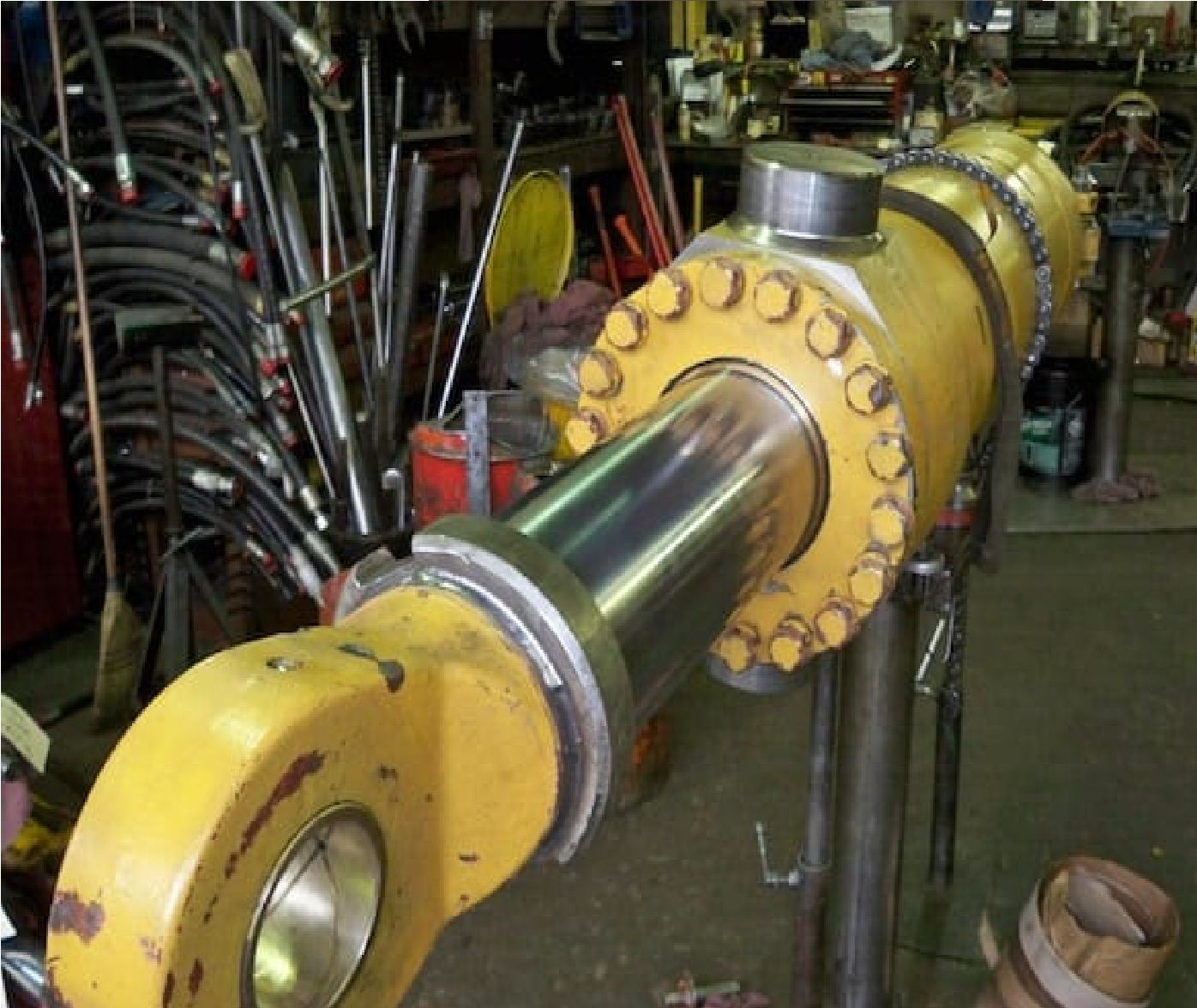
Every inspection generates a written report. Findings, measurements, test results, corrective actions taken, and certification status are all included. These records should be kept with the equipment or in a centralized fleet management system.
For businesses enrolled in our fleet inspection programs, we maintain records on our end as well, providing a backup and a reference point for future inspections. Continuity of records matters when you're tracking equipment condition over time.
Good documentation also simplifies things considerably if an incident ever occurs and you need to demonstrate that proper procedures were followed.
Why Dependable Service Hydraulics LLC
Inspection work is only as good as the inspector doing it. We're not a certification mill. We're a hydraulic and equipment service company that understands what it means for a piece of equipment to actually be safe.
Our team has hands-on experience with the equipment types subject to ANSI standards, and we apply that experience to every inspection. We ask the right questions, look in the right places, and give you a report that reflects the real condition of what we inspected.
ANSI Testing & Equipment Inspections done properly give you confidence. Done poorly, they give you a false sense of security, which is worse than nothing.
We do them properly.
Service Area
Dependable Service Hydraulics LLC serves customers throughout the region. On-site inspection is available for equipment that can't be transported or for fleets that need service at their facility. Contact us to confirm availability and to discuss scheduling.
Schedule Your Inspection Today
Dependable Service Hydraulics LLC is ready to take on your ANSI Testing & Equipment Inspections, whether you have one unit due for annual testing or a full fleet that needs a structured program. Compliance, documentation, and genuine safety assurance are what we deliver.
Reach out today to get started.
Frequently Asked Questions
What is ANSI dielectric testing and who needs it?
Annual ANSI dielectric testing measures the electrical insulating integrity of boom sections on aerial equipment used near energized lines. Any operator using insulated aerial equipment near electrical hazards needs this test performed annually at minimum.
How often do ANSI boom inspections need to be performed?
At minimum, a formal ANSI boom inspection should be completed annually. Additional inspections are required after any incident, significant repair, or if the equipment shows signs of structural or insulation damage.
What happens if my equipment fails an inspection?
We document the findings and explain what corrective action is required. Equipment that doesn't meet the standard cannot be certified until the deficiency is resolved. We provide repair options where applicable.
What do safety certifications cover?
Safety certifications document that the equipment met applicable ANSI standards at the time of inspection. They typically cover structural integrity, insulation condition, safety device function, and control system performance as required by the relevant standard.
What is included in a fleet inspection program?
Our fleet inspection programs include coordinated scheduling across all units, consistent inspection standards, centralized record keeping, and advance notice of upcoming renewal dates. The specifics are tailored to the size and composition of your fleet.
Can inspections be performed at our facility?
Yes. On-site inspections are available for fleets and for equipment that can't be transported. We come equipped to perform the full inspection and dielectric testing at your location.
How do preventative inspections differ from annual ANSI inspections?
Preventative inspections focus on identifying developing mechanical, hydraulic, and structural issues before they cause failures. Annual ANSI inspections are compliance-driven and follow specific standards. Both serve different purposes, and we recommend scheduling both as part of a complete maintenance program.
How do I get started with ANSI Testing & Equipment Inspections?
Contact Dependable Service Hydraulics LLC to discuss your equipment inventory, current inspection status, and scheduling needs. We'll put together a program that fits your operation and keeps your equipment compliant and safe.